

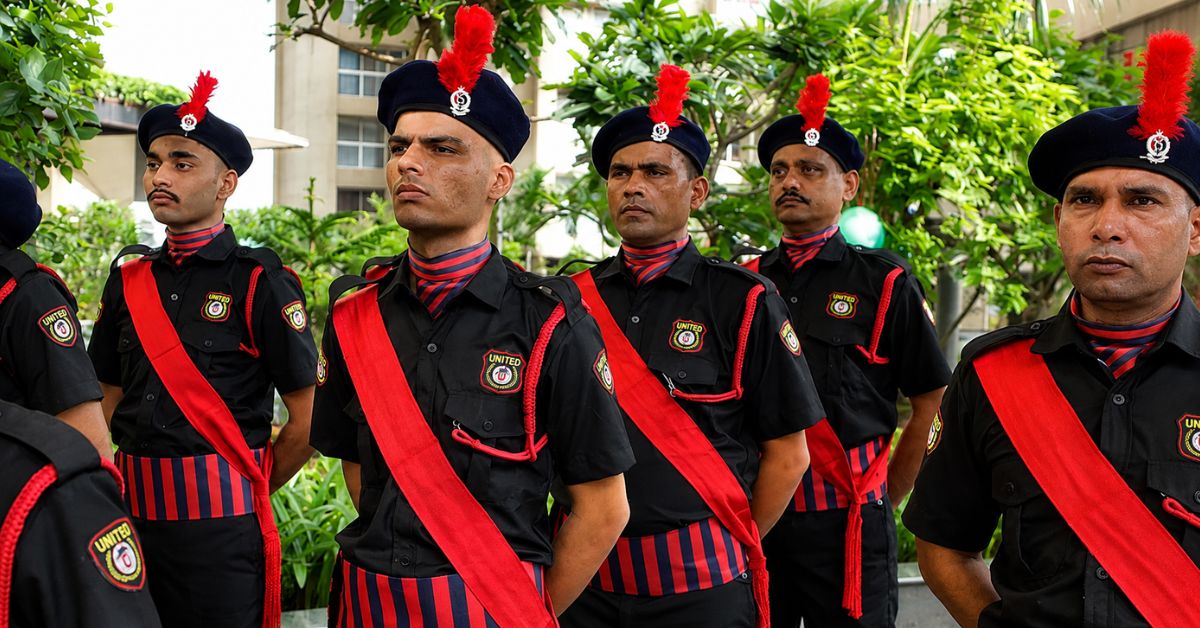
Ask most people what a security guard does, and you’ll likely hear the same answer: they stand at the gate, check a few IDs, and wave people through. It’s a common perception, but it barely scratches the surface of what professional security personnel actually handle on a daily basis. For businesses, housing societies, and institutions looking for Security Services In Mumbai, understanding this difference is often the first step toward choosing the right protection for their premises.
At United Guard Force India, we see this misconception play out constantly. Clients come to us thinking they need “a guy at the door,” and by the end of the conversation, they realize security is a far more layered function than that. Here’s what actually goes into the job.
Security Starts Long Before Someone Walks Through the Gate
A trained guard isn’t reacting to whoever shows up — they’re actively watching for patterns. This means observing vehicle movement outside the premises, noticing unfamiliar faces lingering nearby, and keeping an eye on blind spots that CCTV cameras might miss. Gate duty is really just the visible tip of a much larger surveillance and risk-assessment process that runs throughout a shift.
Access Control Is a Skill, Not Just a Checklist
Verifying visitors, vendors, and delivery personnel involves more judgment than simply matching a face to an ID card. Guards are trained to spot inconsistencies — a delivery person showing up at an odd hour, a visitor whose story doesn’t quite add up, or a vendor without proper authorization paperwork. This is where the value of a Security Guard Services In Mumbai provider really shows, because untrained personnel often let these red flags slip through.
Patrolling and Perimeter Checks
Static gate duty is only one part of the role. Guards conduct scheduled and randomized patrols across the property — parking areas, stairwells, storage zones, and boundary walls — specifically to prevent the kind of incidents that happen when a routine becomes too predictable. Randomizing patrol timing is a deliberate tactic, not an afterthought, because predictable patrols are easy for bad actors to work around.
Emergency Response Isn’t Optional Training
Fire evacuations, medical emergencies, electrical hazards, or even a minor scuffle between visitors — guards are often the first responders on-site, well before external help arrives. This requires first-aid awareness, evacuation protocol knowledge, and the composure to manage a crowd during a stressful situation. It’s a part of the job that rarely gets mentioned but matters most when something actually goes wrong.
Documentation and Incident Reporting
Every credible security operation runs on record-keeping. Visitor logs, shift handover notes, incident reports, and daily activity registers create an audit trail that protects both the client and the guard. If a dispute or theft occurs, this documentation is often the only reliable account of what happened. It’s also one of the clearest indicators of whether you’re working with the Best Security Agency In Mumbai or a vendor cutting corners.
Communication and De-escalation
A guard is frequently the first point of contact for tense situations an angry visitor, a disgruntled employee, or a confused delivery person insisting on entry without proper clearance. Handling these moments calmly, without escalating conflict, is a genuine skill that comes from training, not instinct alone.
What Trained Guards Actually Bring to a Site
Here’s a quick breakdown of the responsibilities that go into a well-run security deployment:
- Continuous perimeter and premises surveillance, not just gate monitoring
- Verified access control for visitors, vendors, and employees
- Scheduled and randomized patrols to prevent predictable gaps
- First-response support for medical, fire, or safety emergencies
- Detailed incident reporting and shift documentation
- Conflict de-escalation and visitor management
- Coordination with local police and emergency services when required
- Adherence to PSARA-mandated training and conduct standards
Why This Distinction Matters When Hiring
When businesses only picture “someone standing at the gate,” they tend to underinvest in training, supervision, and guard quality and that gap shows up exactly when it matters most, during an actual incident. It’s no longer just about headcount; it’s about whether the guards on your site are actually equipped to manage risk.
This is the standard we hold ourselves to at United Guard Force India every guard we deploy is trained across surveillance, access control, emergency response, and documentation.
Looking for a security partner you can actually rely on? Contact Us today for a free site assessment.